Ask anyone when to go to the Mara and they’ll say “migration season”. They’re not wrong, but the full answer is more useful, especially if you’re paying for the trip with your own money and want every shilling to count.
July to October: the Great Migration
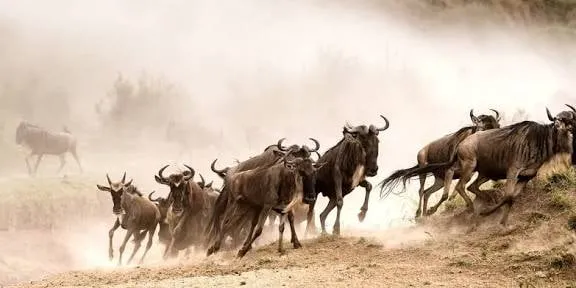
From around July, over a million wildebeest and zebra pour north from Tanzania’s Serengeti into the Mara. The famous river crossings, where the herds plunge into the Mara River past waiting crocodiles, usually peak in August and September.
Why go: it is one of the great wildlife spectacles on earth, and predators are everywhere.
Worth knowing: it is also peak season. Lodges fill early, and from July the reserve fee for Kenyan citizens rises from KSh 1,500 to KSh 3,000 per adult per day. Book early, and plan for a full day out so you’re at the river when a crossing starts.
November to June: the quiet season
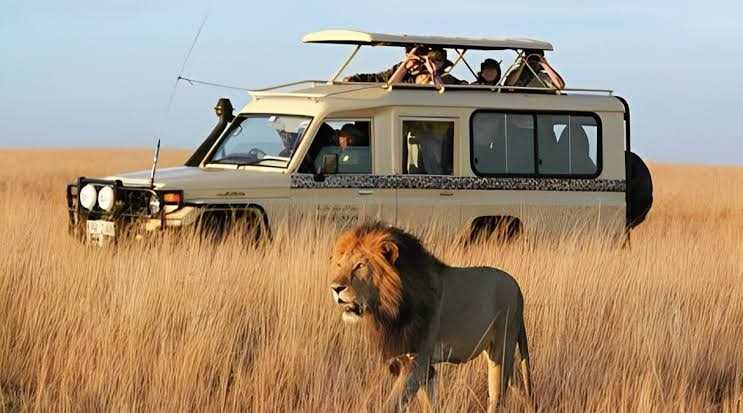
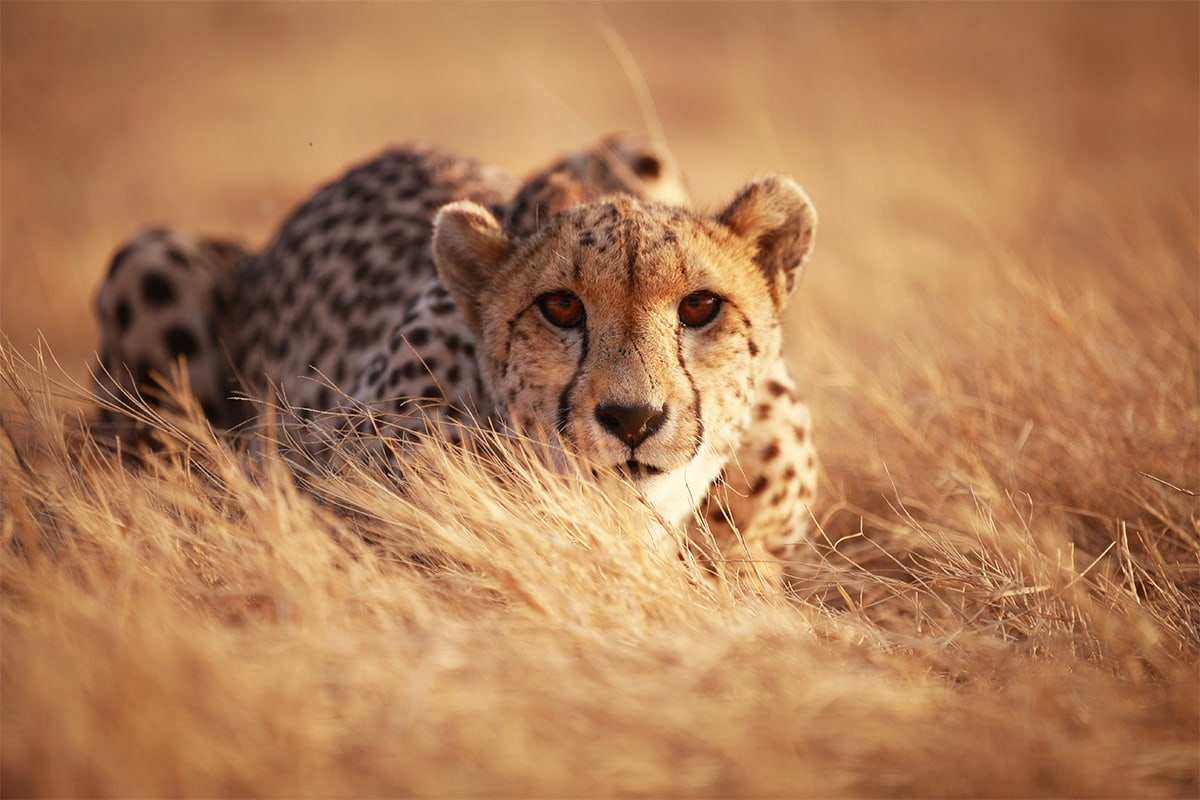
The herds head back south, but the Mara is far from empty. Lions, leopards, cheetahs, elephants and resident herds stay all year.
- January to March is dry, warm and green from the short rains. Game viewing is excellent and the reserve is calm.
- April and May bring the long rains. Some roads get muddy, but you’ll find the lowest rates of the year and the plains almost to yourself.
- June is the sweet spot: dry, cool and before the migration crowds.
So when should you go?
- For the river crossings: August to September. Book three to six months ahead.
- For value: January to March, or June. Lower fees, easier availability, great game.
- For a first-time family safari: any dry month. The big cats don’t take holidays.
Make the most of it
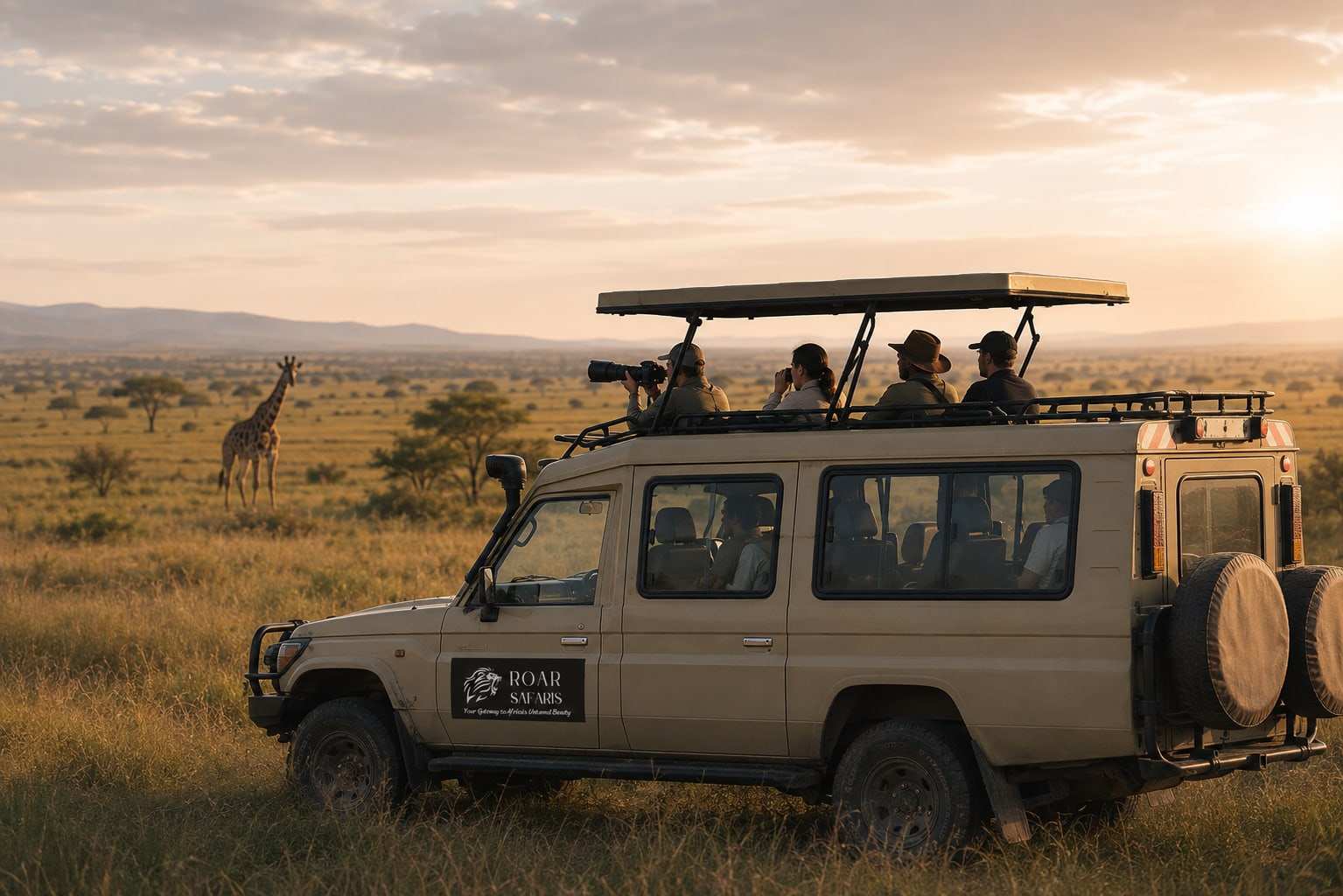
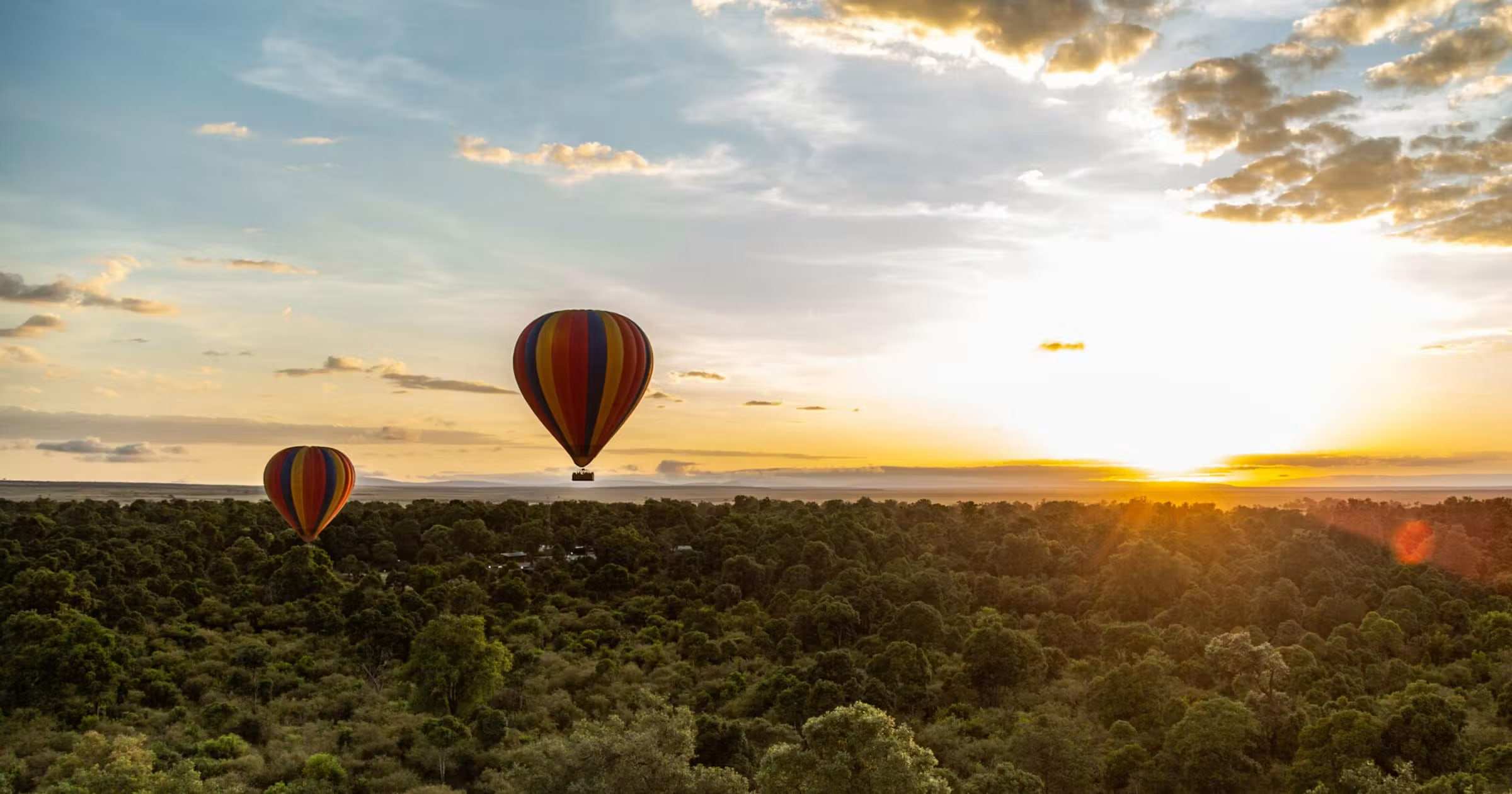
Stay inside or right beside the reserve, so you’re on the plains at first light when the cats are active. If it’s in the budget, a dawn hot-air balloon flight, from about USD 450 per person, is the single most memorable hour in Kenya.